Jiangnan Sizhu
Introduction
Jiangnan Sizhu is a traditional genre of Chinese music that hails from the southern regions of Jiangsu, western Zhejiang, and Shanghai. The term "Jiangnan Sizhu" translates to "silk and bamboo" music, which reflects the primary materials used to construct the instruments in the ensemble. This music form is a captivating and intricate blend of string and bamboo instruments, including the erhu, yangqin, pipa, sanxian, qin, flute, and xiao. Jiangnan Sizhu is distinguished by its delicate and sophisticated sound, which has charmed audiences for centuries. It is an essential part of the cultural identity of the regions from which it originates, serving as both a form of artistic expression and a medium of cultural tradition.
History
The history of Jiangnan Sizhu dates back to the Ming Dynasty(1368-1644), specifically during the Jiajing and Longqing period. It was during this time that musicians such as Wei Liangpu and Zhang Yetang played a significant role in shaping the music's development. Wei Liangpu was known for his contributions to the Kunqu opera with the creation of the "water-mill" style, while Zhang Yetang established a complete silk and bamboo orchestra. Initially, musicians utilized gongche pu, a traditional form of Chinese musical notation, and were associated with Kunqu opera troupes and drum bands. Over time, they transitioned into specialized bands dedicated to silk and bamboo performances.
By the end of the Ming Dynasty, the music form known as "Xiansuo" emerged in the Wu region, particularly around Suzhou. Xiansuo can be considered the precursor to the modern Jiangnan Sizhu, as it laid the foundational elements that would evolve into the genre known today. As the music gained popularity, it became more organized and defined, ultimately being officially named Jiangnan Sizhu, emphasizing its regional essence.
Instruments
String Instruments
The string instruments in Jiangnan Sizhu are central to its distinctive sound and are crafted from silk materials. The erhu, a two-stringed bowed instrument, is one of the most well-known instruments in the ensemble. Its gentle and melancholic tone is often compared to the human voice, making it a critical element in conveying the emotional depth of Jiangnan Sizhu music. The yangqin, a hammered dulcimer, adds a bright and rhythmic texture to the ensemble, while the pipa, a four-stringed plucked lute, offers a rich tapestry of sounds with its rapid plucking techniques and wide dynamic range.
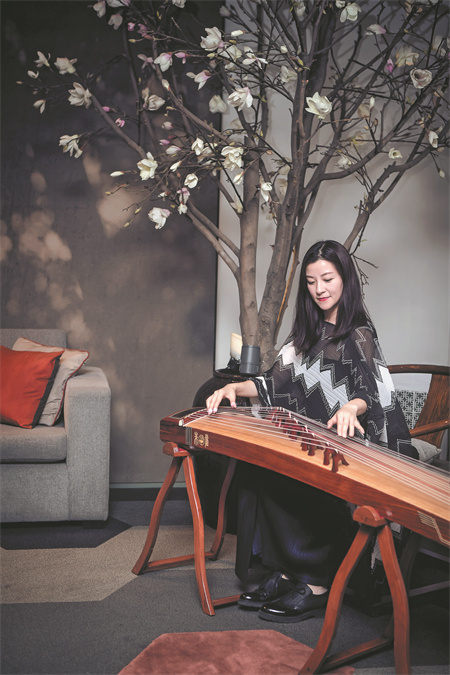
The sanxian, a three-stringed lute, is known for its distinct resonant quality, providing a foundational bass sound to the ensemble. The qin, also known as guqin, is a seven-stringed zither with a history spanning thousands of years. It is revered for its subtle and expressive sound, adding a layer of introspective depth to the music.
Wind Instruments
The bamboo instruments in Jiangnan Sizhu include the dizi and xiao, both of which are integral to the ensemble's sound. The dizi is a transverse bamboo flute characterized by its clear and bright timbre. It often carries the melodic line, weaving intricate melodies with the other instruments. The xiao, a vertical end-blown flute, has a softer and more mellow tone, which complements the dizi and contributes to the ensemble's harmonious sound.
Percussion Instruments
Percussion instruments, though fewer in number, play a vital role in Jiangnan Sizhu by providing rhythm and structure to the music. Small drums and wooden clappers are commonly used to accentuate the beat and enhance the overall texture of the performance. These percussion elements add a lively and dynamic quality to the music, underscoring its rhythmic complexity and enhancing the interaction between the ensemble's various instruments.
Musical Structure
Jiangnan Sizhu music is characterized by its organized yet flexible structure. The pieces are often based on traditional melodies that have been passed down through generations. These melodies serve as a framework for musicians to explore variations and improvisations, allowing for creativity and interaction within the ensemble. The music is typically composed of a series of sections, each with its own distinct theme and mood, which the musicians interpret and embellish with their unique styles.
The interplay between the instruments is a hallmark of Jiangnan Sizhu, with musicians skillfully responding to each other's musical cues. This collaborative approach creates a dynamic and ever-evolving performance, where the ensemble's unity and harmony are paramount. The musicians must be adept at listening and adapting to their fellow performers, ensuring a seamless and cohesive musical experience.
Performance Practice
Performance practice in Jiangnan Sizhu is deeply rooted in tradition yet allows for individual expression and innovation. Musicians are often trained through oral transmission, learning the repertoire and techniques from experienced masters. This method of learning emphasizes the importance of mentorship and communal knowledge in preserving the music's integrity and authenticity.
The performance setting for Jiangnan Sizhu is typically intimate, with musicians seated in a circle or semicircle to facilitate communication and interaction. This arrangement fosters a sense of camaraderie and mutual respect among the performers, which is reflected in the music's harmonious and balanced sound. Each musician contributes to the collective whole, with solos and ensemble passages woven seamlessly together to create a rich and textured performance. Photo Gallery(2 pictures)CategoriesArtsTagChinese MusicIntangible Cultural HeritageCatalogue1. Introduction2. History3. Instruments4. Musical Structure5. Performance Practice- - - []








